







| Updated:
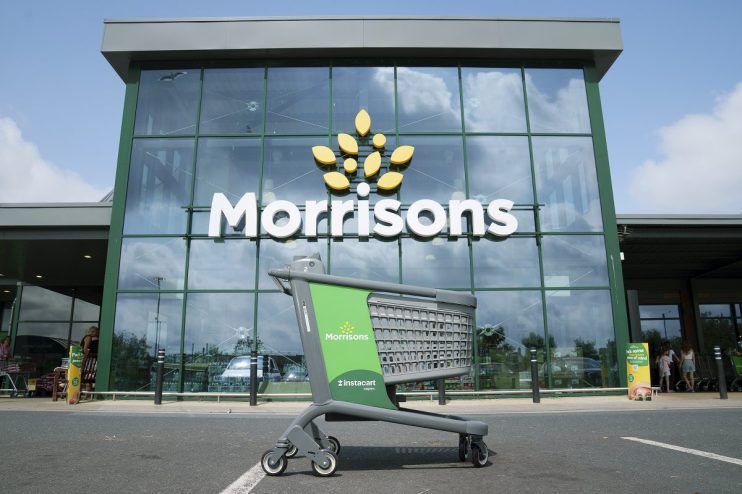
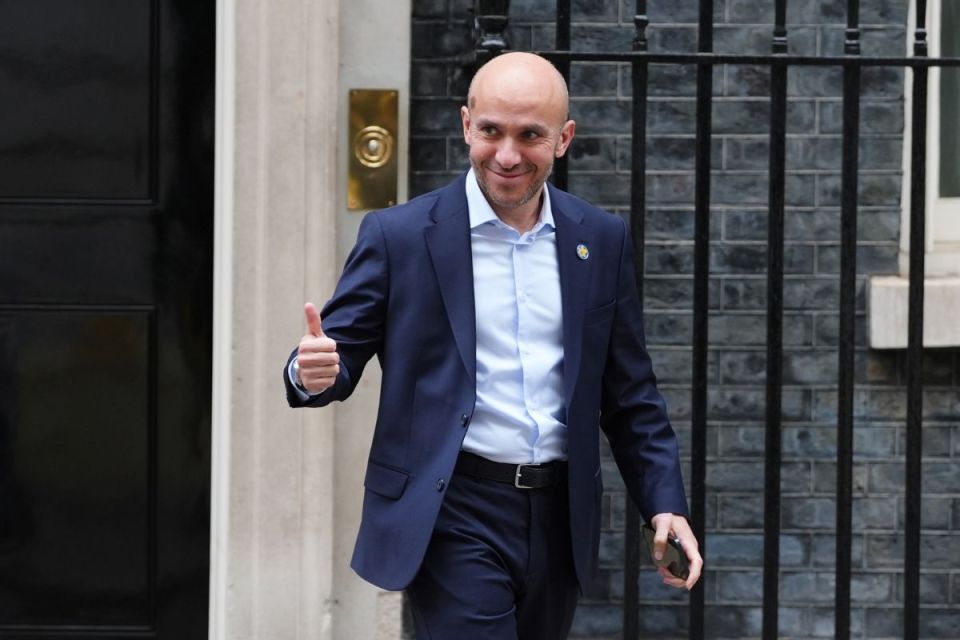
“Nothing but difficult” is how one retail analyst describes the road ahead for Morrisons boss Rami Batiéh. Since taking charge of the grocer in November 2023, the chief executive has faced an uphill battle, as the group – once a firm member of the UK’s ‘big four’ – is outpaced by its rivals.
Batiéh, whose penchant for jazz bands in corporate presentations has raised eyebrows, has pledged to “reinvigorate” the supermarket by cutting prices and driving engagement with its loyalty platform. But these ambitions have been somewhat overshadowed by events.
Morrisons has blamed Labour tax hikes and fragile consumer confidence for its repeated losses. And in 2024, just a year after Batiéh took charge, the grocer’s tech provider was hit by a ransomware attack which caused food shortages across its stores.
Earlier this month, the supermarket posted a 2.8 per cent uptick in sales but suffered a £629m pre-tax loss, extending its long hunt for profit. But Morrisons’ real woes lie with a different number – its net debt.
The firm has grappled with a mounting debt pile since its £7bn takeover by private equity firm Clayton Dubilier & Rice (CD&R) in 2021. In year to last October, net debt grew from £7.1bn to £7.5bn.
While Batiéh has managed to slash that figure by some 46 per cent since taking over, managing Morrison’s debt remains his biggest challenge. The supermarket is considering selling off another £1bn worth of its property in a bid to keep this debt down, after already offloading swathes of its sprawling portfolio to investors including private equity giant Blackstone and the Saudi sovereign wealth fund.
“The turnaround is slow and with a debt pile so big it will be nothing but difficult,” retail analyst Catherine Shuttleworth told City AM. The group’s cost-cutting drive has “gone as far as it can” and the adverse effects are beginning to show in standards and availability at its stores, she claimed.
Morrisons ends newspaper deliveries in cost-cutting drive
Morrisons’ accounts also revealed that the firm shed nearly 5,000 jobs over the past year. Its average monthly workforce fell to 96,232 people, marking a five per cent year-on-year decline and a 15 per cent decrease since the year to October 2022.
A spokesperson for the grocer said that last year’s job losses reflect the closure of its newspaper home delivery service, the restructuring of its retail people team and the downsizing of the Rathbones bakery business it owns.
“There was no additional redundancy programme in stores, where numbers were only reduced by not replacing those who had chosen to leave,” the spokesperson added.
Morrisons says a “significant factor” for pre-tax loss was a write-down in value of McColl’s, the collapsed convenience chain it snapped up for £190m in 2022. In May, the grocer said it would shut 100 of the 1,100 stores it acquired in this deal.
Though these shops were loss-making, Morrisons said it had been forced into the decision by “significant cost increases” caused by the Labour government.
The challenges already faced by grocers have “been exacerbated in more recent years by significant cost increases resulting from government policy choices, which have made returning these stores to profitability even more difficult,” the group said.
But the grocer is keen to widen its presence in the increasingly crowded convenience market. Morrisons said earlier this summer that it had opened 30 new smaller ‘Daily’ stores, with plans for “hundreds more in the years ahead”.
Morrisons will come up against another green-liveried grocer in its push into convenience. Just last week, private equity owned Asda said it is trialling a new partnership scheme with independent corner shops. The grocer already runs more than 500 ‘Express stores in the UK.
Is more debt the answer?
As Morrisons battles to put a lid on its debt pile, it risks pushing up costs elsewhere. Earlier this year, Sky News reported that Morrisons has hired property advisers to weigh up plans to sell £1bn worth of freehold rights to its stores and rent back the properties to continue running them as supermarkets.
But the grocer is already facing a growing rent bill. The retailer’s lease liabilities – an accounting term for the rent it will have to pay in future – grew to £2bn in the last year. This bill stood at £1.8bn in the year before, and at £1.2bn in 2022.
Morrisons has lost ground to German discounters Aldi and Lidl in the market share rankings in recent months, and this competition will persist even once the grocer gets its own house in order.
“Morrisons has made genuine progress under Rami Baitiéh,” Retail Economics’ Nicholas Found told City AM. “He inherited a business with lost momentum and has gone back to fundamentals around price, availability, loyalty, fresh food and service. Sales have been growing consistently and, after a long period of erosion, market share has begun to stabilise.”
But the challenge is the “sheer pace and scale of the competition,” Found said. While Lidl and Aldi are dominating the mid-sized grocery market at retail parks across the country, Morrisons could look to break away from its rivals in the convenience market. Its fresh food range also offers “distinction”, he said.
But the supermarket’s continued losses and hefty debt pile “constrain how aggressively Morrisons can invest to close the gap with its rivals,” Found added.
A spokesperson for Morrisons said it has demonstrated “resilience in the face of some tough external headwinds, from the cyber incident, rising inflation and government cost increases, which we worked hard to offset.
“Debt and interest costs were both reduced and the underlying performance of the business was robust, with the company continuing to generate healthy underlying [earnings] and strong operating cashflow.”









+ There are no comments
Add yours