





| Updated:
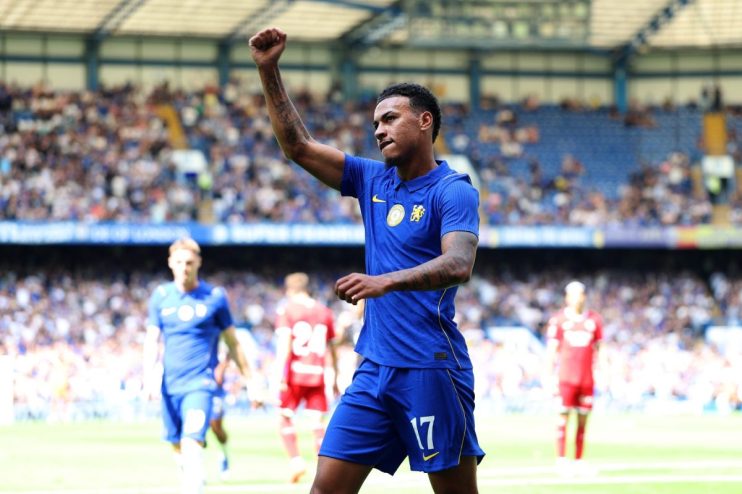
The Premier League is underway and you may have noticed a lack of shirts featuring gambling and casino brands. That’s not because they’ve been banned outright, but because the 20 Premier League clubs agreed to a voluntary removal of the sector from the coveted front-of-shirt advertising space.
It has meant a mad rush for those once sponsored by the gambling industry to change tact and look to recover the inevitable shortfall ditching betting would leave. So who is sponsored by who? And which sectors are looking to dominate the Premier League and the opportunity to be forced into the homes of millions?
In Premier League finance rules
Finance has become the most common sector in the Premier League with six of the 20 teams featuring the sector on their front-of-shirts. For the likes of Brighton and Hove Albion and Tottenham Hotspur, agreements with American Express and AIA are long-standing and nothing new; Spurs will replace AIA at the end of the season.
The same applies to Big Six stalwart Liverpool, whose deal with Standard Chartered continues on the banks of the Mersey.
New boys Coventry have continued over their main sponsor from their promotion-winning season in the Championship but it is a fresh birth for Monzo, who feature on a Premier League front-of-shirt slot for the first time.
Everton signed up CMC Markets, which was also looking at Fulham, while Nottingham Forest announced this week that the Space X-linked Marex would adorn their red shirts in a deal City AM revealed was worth £25m.
In come the tech bros
Beyond finance, the tech and web sector has snapped up five Premier League clubs. Manchester United continues its lucrative agreement with Snapdragon while new brands feature for four clubs.
Brentford have upgraded an existing partnership with Indeed in a move that will see the job vacancy site become front-of-shirt, while fellow west London club Fulham have turned to data firm ClickHouse.
Tech infrastructure firm Temporal will feature on the shirts of Crystal Palace while newly-promoted Ipswich have swapped Ed Sheeran for Halo.
Premier League stalwarts
Airlines are a surprisingly small sector for Premier League front-of-shirt sponsorship, but when they do appear it’s the big hitters.
Emirates recently extended its deal with champions Arsenal in a move that will see the Dubai flag carrier be front-of-shirt for over 20 years. Fellow UAE carrier Etihad have long been on the front of Manchester City’s blue shirts. Both deals include stadium naming rights in London and Manchester respectively.
Newly-promoted Hull City have Corendon Airlines as its principle partner. The budget-friendly leisure airline is Turkish while the Tigers are owned by Turkish media mogul Acun Ilicali.
Beers on us
Leeds United stakeholders Red Bull have their energy drinks brand on the front of the Elland Road team’s shirts, while fellow drinks brand Knox features for Newcastle United in a marginal Premier League sector.
Tourism features, too, with Visit Rwanda swapping out a sleeve deal with Arsenal for its first front-of-shirt at Aston Villa.
The final category is health, where Vitality have mimicked Brentford in upgrading an existing partner to the front-of-shirt vacancy.
But the eagle-eyed among you will have counted to 18 clubs in full knowledge the Premier League has 20 teams.
Sunderland is reportedly agreeing a deal with Visit Ghana, while Chelsea continues its lack of full-time sponsor having dabbled with AI firm IFS last year.
Analysis
Harvey Taylor, head of strategy and consulting at global sports and entertainment agency Mongoose, said that “sponsorship is becoming a bigger lever for competitive advantage, creating an opportunity to shift from asset-led to solution-led partnerships”.
He added: “Sponsors can help fund content, improve matchdays, create access or support initiatives that clubs might otherwise struggle to deliver.
“Clubs that understand sponsorship as a strategic asset, rather than simply a revenue line, will have an advantage. Better partnerships can improve fan engagement, stronger engagement can increase commercial value, and that commercial strength can ultimately support competitiveness on the pitch.”




+ There are no comments
Add yours